
Treatment
Dental Crowns, Bridges or Dentures: Comparing Tooth Replacement Options
Dental Crowns, Bridges or Dentures: Which Tooth Replacement Option Is Right for You?
These restorations do different jobs
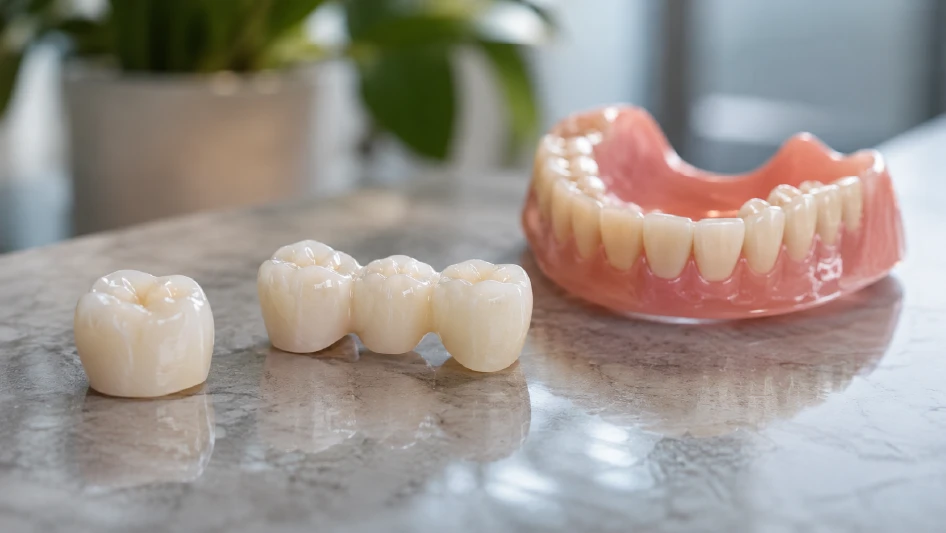
Crowns, bridges, and dentures are all used in restorative dentistry, but they solve different problems. A crown covers and protects an individual tooth or restores its shape. A bridge replaces one or more missing teeth by connecting an artificial tooth to supporting teeth or other structures. Dentures are removable appliances that replace several teeth or a full arch.
The best option depends on whether the tooth is still present, how much healthy structure remains, the condition of neighboring teeth, gum and bone health, and the patient’s goals.
When might a crown be considered?
A crown may be recommended when a tooth needs more coverage or protection than a filling can provide. This can occur after significant decay, fracture, or certain restorative procedures. The dentist evaluates the remaining tooth structure and bite before deciding whether a crown is appropriate.
A crown does not replace a missing tooth root. It restores a tooth that remains or may be attached to an implant in a different treatment plan.
How does a bridge replace a missing tooth?
A bridge fills the space left by a missing tooth. In a conventional bridge, neighboring teeth are prepared to support the replacement tooth. Other designs may use different support approaches depending on the clinical situation.
The condition of the supporting teeth matters. A bridge may be considered when those teeth are suitable, but the dentist should explain the preparation required, cleaning method, expected maintenance, and alternatives.
What should patients know about dentures?
Dentures can replace multiple missing teeth or all teeth in an arch. They may be removable and are designed to fit the patient’s oral tissues. Some people need an adjustment period and follow-up visits to improve comfort and fit.
Cleaning and maintenance are important. Changes in the mouth over time can affect fit, so dentures should be reviewed periodically rather than adjusted at home.
How should you compare the options?
Ask the dentist to explain the purpose of the proposed restoration, the teeth or tissues that will support it, the steps involved, and how it should be cleaned. Discuss comfort, appearance, chewing function, maintenance, risks, expected lifespan, and total treatment costs.
An implant-supported restoration may also be an option for some patients. It requires its own assessment of bone, gums, health history, and treatment timing. A consultation helps compare all appropriate alternatives rather than choosing from a general online description.
Frequently asked questions
Is a crown the same as a bridge? No. A crown covers an individual tooth or implant-supported structure; a bridge replaces one or more missing teeth.
Are dentures always removable? Many dentures are removable. Other tooth-replacement plans may be fixed or implant-supported, depending on the case.
Which option lasts the longest? Longevity varies with design, materials, oral hygiene, bite forces, health, and maintenance. No option has the same lifespan for every patient.
Next step
If you are missing teeth or have a damaged tooth, contact AlineaPro Dental in Querétaro to discuss restorative options and arrange an examination before choosing a treatment.
Clinical content references
American Dental Association, MouthHealthy – Bridges: https://www.mouthhealthy.org/all-topics-a-z/bridges
American Dental Association – Toothflix restorative dentistry resources: https://engage.ada.org/page/toothflix
This article is general information for patients. It is not a diagnosis or a substitute for an in-person evaluation by a dentist.
Request an appointment
Take the first step: get a personalized evaluation of your oral health and a clear treatment plan.
Request an appointmentDental health tips, in your inbox
New articles from AlineaPro, only when we publish. Unsubscribe any time.