
Teeth Whitening
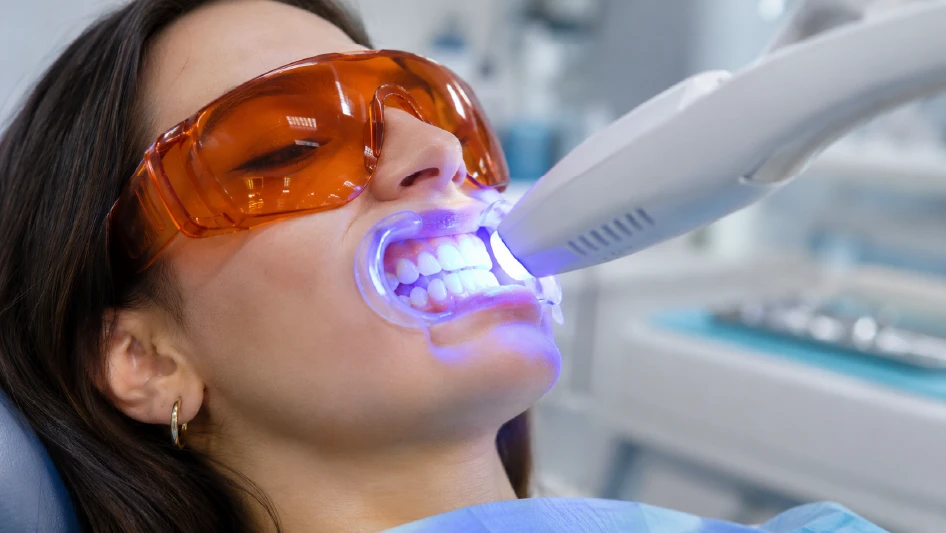
Professional teeth whitening procedure performed by a dental professional
Professional Teeth Whitening: What Results Can You Expect?
What professional whitening can—and cannot—do
Professional teeth whitening uses bleaching agents to lighten the color of natural teeth. It may improve certain external and internal stains, but results vary according to the cause and severity of discoloration.
Whitening is not a treatment for every cosmetic concern. It does not repair cavities, change tooth shape, correct alignment, or replace missing teeth. A dental examination helps determine whether whitening is suitable and whether another treatment would better address the concern.
Why teeth become discolored
Surface stains can accumulate from coffee, tea, deeply colored foods, and tobacco. Other discoloration may be located within the tooth and can be related to aging, developmental factors, trauma, or certain medications.
The distinction matters because different types of discoloration may respond differently. A dentist can assess the likely cause and discuss realistic expectations before treatment.
Professional options and at-home products
Whitening may be performed in a dental office or through dentist-provided products intended for supervised use at home. Over-the-counter products are also available. These approaches differ in formulation, concentration, application, and supervision.
Do not mix products or use them more often than directed. DIY methods involving acidic fruit, vinegar, or abrasive powders are not reliable substitutes and may harm tooth surfaces or irritate oral tissues.
Sensitivity and existing dental work
Temporary tooth sensitivity and gum irritation are among the most common side effects of whitening. The risk can vary with the product, concentration, application time, and the condition of the teeth.
Crowns, veneers, bridges, and tooth-colored fillings do not whiten like natural enamel. If you have visible restorations, tell your dentist before treatment because whitening may create a color mismatch.
How to prepare for a consultation
Tell the dentist about sensitivity, previous whitening, dental restorations, gum problems, and any current oral discomfort. Ask what result is realistic, what side effects may occur, how to use the product safely, and whether you need to address other dental issues first.
The safest plan is based on an examination and clear instructions—not on the promise of a particular shade or a guaranteed result.
Frequently asked questions
Does professional whitening damage enamel? When appropriately selected and used as directed, professional whitening is designed for dental use. Suitability and risks should be assessed by a dentist.
Will whitening change my crowns or veneers? No. Whitening agents change the color of natural teeth, not existing restorations.
Is sensitivity normal after whitening? Temporary sensitivity can occur. Contact your dentist if it is severe, persistent, or accompanied by other symptoms.
Next step
Interested in professional teeth whitening in Querétaro? Contact AlineaPro Dental to arrange an assessment and learn which approach may be appropriate for your teeth.
Clinical content references
American Dental Association – Whitening: https://www.ada.org/resources/ada-library/oral-health-topics/whitening
This article is general information for patients. It is not a diagnosis or a substitute for an in-person evaluation by a dentist.
Request an appointment
Take the first step: get a personalized evaluation of your oral health and a clear treatment plan.
Request an appointmentDental health tips, in your inbox
New articles from AlineaPro, only when we publish. Unsubscribe any time.